Top Web Development Trends Businesses Should Watch in 2026
The digital landscape is evolving faster than ever. Businesses are no longer competing solely on products and services—they are competing on digital experiences.
As customer expectations continue to rise, websites must become faster, smarter, more personalized, and highly secure. Emerging technologies such as Artificial Intelligence, Progressive Web Apps (PWAs), voice search, and advanced cybersecurity are reshaping how businesses interact with their audiences online.
In this article, we'll explore the top web development trends businesses should watch in 2026 and how these innovations can help organizations improve customer engagement, increase conversions, and stay ahead of the competition.

ChawTech Solutions
Author
Introduction
The digital landscape is evolving faster than ever. Businesses are no longer competing solely on products and services—they are competing on digital experiences.
As customer expectations continue to rise, websites must become faster, smarter, more personalized, and highly secure. Emerging technologies such as Artificial Intelligence, Progressive Web Apps (PWAs), voice search, and advanced cybersecurity are reshaping how businesses interact with their audiences online.
In this article, we’ll explore the top web development trends businesses should watch in 2026 and how these innovations can help organizations improve customer engagement, increase conversions, and stay ahead of the competition.
Key Takeaways
- AI-powered experiences are becoming the new standard.
- Website performance and Core Web Vitals remain critical for SEO.
- Progressive Web Apps continue to bridge the gap between websites and mobile apps.
- Cybersecurity and privacy-first development are more important than ever.
- Personalization and automation are driving higher conversion rates.
1. Artificial Intelligence-Powered Websites
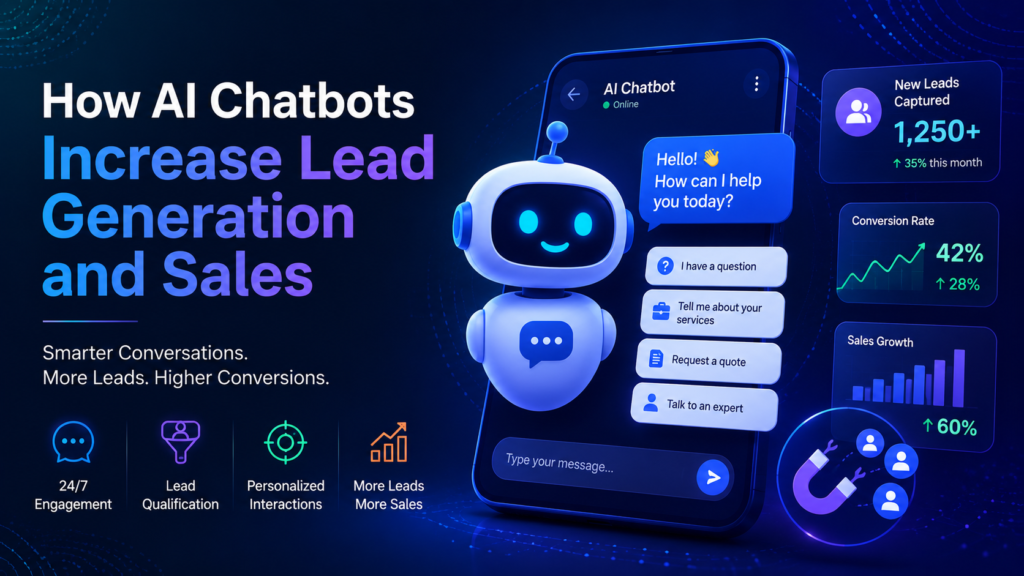
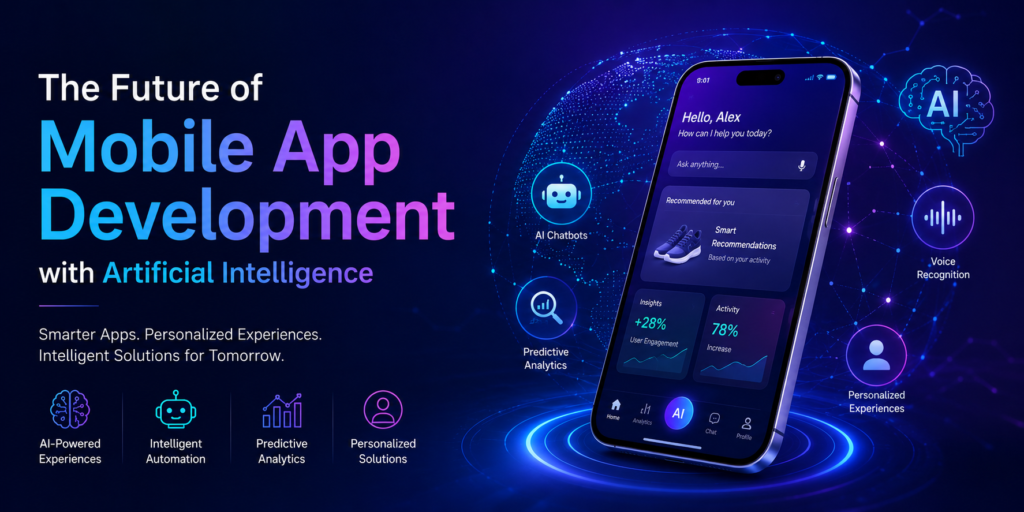
AI is transforming the way websites interact with users.
Modern websites can now analyze visitor behavior, personalize content in real-time, provide intelligent recommendations, and automate customer support through advanced AI assistants.
Benefits
- Personalized user experiences
- Automated lead qualification
- Intelligent customer support
- Improved conversion rates
Real-World Applications
- AI chatbots
- Personalized product recommendations
- Predictive search functionality
- Smart content suggestions
2. Progressive Web Apps (PWAs)
Progressive Web Apps continue gaining popularity because they combine the best features of websites and mobile applications.
PWAs load quickly, work offline, and provide app-like experiences directly through a browser.
Advantages
- Faster loading speeds
- Offline accessibility
- Lower development costs
- Improver user enagement
Businesses increasingly choose PWAs to provide seamless experiences without requiring users to download native applications.
3. Voice Search Optimization
Voice assistants have fundamentally changed how people search online.
Instead of typing keywords, users are asking complete questions such as:
“What is the best website development company near me?”
Businesses that optimize for voice search can capture a growing segment of search traffic.
Best Practices
- Create conversational content
- Optimize FAQ sections
- Improve page speed
- Focus on local SEO
4. Hyper-Personalized User Experiences
Generic websites are becoming less effective.
Modern users expect websites to understand their needs and present relevant information immediately.
Using behavioral data and AI, websites can personalize:
- Landing pages
- Product recommendations
- Service offerings
- Marketing messages
Business Impact
Personalized experiences often result in:
- Higher engagement
- Longer session durations
- Increased conversions
- Better customer retention
5. API-First Development
Businesses today rely on multiple platforms and software solutions.
API-first development allows websites to integrate seamlessly with:
- CRMs
- ERP systems
- Payment gateways
- Marketing automation platforms
- Third-party applications
This approach improves scalability and future-proofs digital infrastructure.
Why It Matters
Businesses can quickly adapt to changing technology without rebuilding their entire website ecosystem.
6. Headless CMS Architecture
Traditional content management systems are gradually being replaced by headless CMS solutions.
A headless CMS separates content management from content presentation, allowing developers to deliver content across multiple platforms.
Benefits
- Faster website performance
- Greater flexibility
- Better scalability
- Omnichannel content delivery
Popular use cases include websites, mobile applications, kiosks, and IoT devices.
7. Advanced Cybersecurity & Privacy Protection
Cybersecurity is no longer optional.
Businesses must protect customer data while complying with increasing privacy regulations.
Modern websites are implementing:
- Multi-factor authentication
- AI-based threat detection
- Secure APIs
- Data encryption
- Privacy-first architecture
Why Businesses Should Care
A single security breach can result in:
- Financial losses
- Legal issues
- Reputation damage
- Loss of customer trust
8. Motion UI and Interactive Experiences
Modern websites are becoming more engaging through subtle animations and interactive elements.
Motion UI enhances usability by:
- Guiding user attention
- Improving navigation
- Creating memorable experiences
- Increasing engagement
Examples
- Micro-interactions
- Animated transitions
- Scroll-triggered effects
- Interactive product showcases
When implemented correctly, motion design improves both aesthetics and usability.
9. Sustainable and Green Web Development
Sustainability is becoming an important consideration in digital development.
Businesses are focusing on:
- Optimized code
- Efficient hosting
- Faster loading pages
- Reduced energy consumption
Green websites not only support environmental goals but also deliver better performance.
10. Core Web Vitals & Performance Optimization
Google continues to prioritize user experience metrics.
Core Web Vitals remain a major ranking factor and directly impact SEO performance.
Key Metrics
- Largest Contentful Paint (LCP)
- Interaction to Next Paint (INP)
- Cumulative Layout Shift (CLS)
Optimization Strategies
- Image compression
- Code minification
- Lazy loading
- CDN implementation
- Server optimization
Faster websites lead to better rankings, higher engagement, and improved conversions.
Best Practices for Modern UX
- Invest in AI-powered experiences
- Prioritize website speed and performance
- Focus on mobile-first development
- Implement strong security measures
- Leverage personalization strategies
- Optimize for voice and conversational search
- Build scalable digital ecosystems
Conclusion
Web development in 2026 is focused on creating smarter, faster, and more engaging digital experiences. Businesses that embrace AI, personalization, performance optimization, cybersecurity, and modern architectures will be better positioned to attract customers and drive long-term growth.
Rather than chasing every trend, organizations should focus on implementing technologies that align with their business objectives and improve customer experiences.
The future belongs to businesses that continuously innovate and adapt to changing digital expectations.
Looking to Improve Your Website UX?
We help businesses build
I help businesses build scalable digital solutions that drive growth and deliver measurable results.